







Imagine needing an answer to a perplexing health mystery, only to find out your doctor’s secret weapon is a common swab. What sounds like a scene from a sci-fi movie is actually the important reality of a viral culture swab. This nifty tool is pivotal in diagnosing viral infections. But let’s not make it sound more dramatic than it is, it’s essential, reliable, and definitely not as scary as it sounds. In this text, we’ll investigate into what a viral culture swab is, why it’s used, and what the future holds for this diagnostics hero. Grab your lab coat (or just your curiosity), and let’s dive deep into the world of viral culture swabs.
What Is a Viral Culture Swab?
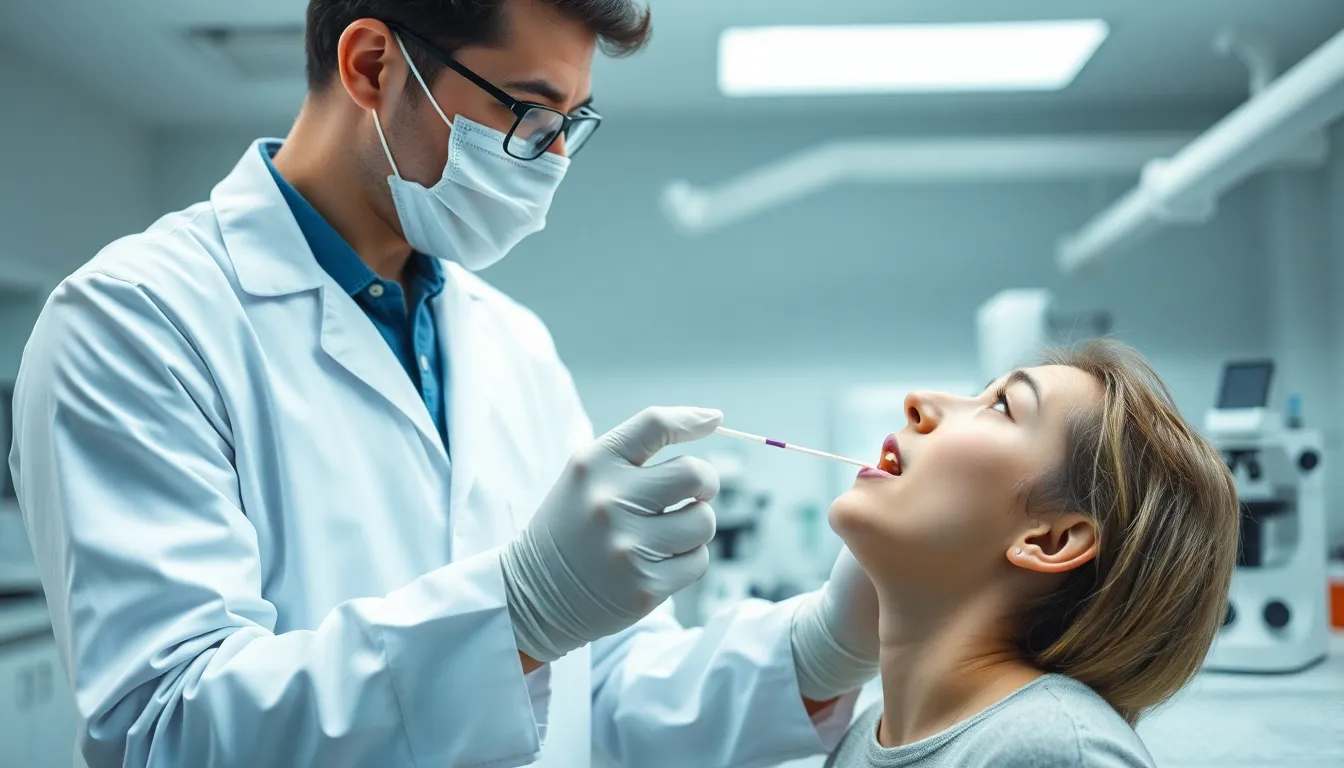
A viral culture swab is essentially a tool that allows healthcare professionals to collect samples from a patient suspected of having a viral infection. The swab, often resembling a large Q-tip, is used to gather fluid from surfaces like the throat, nose, or other relevant areas. Once the sample is collected, it can be nurtured in a laboratory environment to promote the growth of viruses. This culture can then be tested further to identify specific viruses, helping clinicians determine appropriate treatments. Though it sounds simple, this process is a rigorous science that plays a vital role in diagnosing various viral infections.
The Purpose and Uses of Viral Culture Swabs
The primary purpose of viral culture swabs is to diagnose viral infections such as influenza, herpes, and even COVID-19 in specific contexts. These swabs allow for a more accurate identification of the virus compared to some rapid tests, which can sometimes yield false negatives.
One of the most significant uses involves confirming a diagnosis, especially in complex cases where symptoms overlap with multiple conditions. For example, distinguishing between a common cold and COVID-19 can be challenging. A viral culture can clarify this, providing not only peace of mind but a direction for treatment, thereby influencing public health measures.
Also, viral cultures are essential in vaccine development. By studying how viruses behave in culture, researchers can better understand them and develop effective vaccines that can prevent outbreaks before they happen.
How to Perform a Viral Culture Swab
Performing a viral culture swab is typically straightforward, but it should ideally be done by trained healthcare professionals to ensure accuracy and minimize discomfort for the patient. Here’s a simple step-by-step process of how it generally works:
- Preparation: The healthcare provider will explain the procedure to the patient and gather all necessary equipment. This usually includes the swab and a sterile sample container.
- Sample Collection: The provider will gently insert the swab into the relevant area, be it the throat, nasal cavity, or other sites, ensuring it’s done safely to maximize sample collection without causing excessive discomfort.
- Swab Technique: The swab is rotated to collect adequate sample material and then withdrawn carefully.
- Disposal and Storage: The swab is placed in a sterile container, sealed, and labeled properly. This careful handling prevents contamination and preserves the sample for analysis.
- Transporting to Lab: Finally, the swab is then taken to a laboratory for culture and analysis.
Interpreting Viral Culture Results
Once a viral culture is performed, the results play a crucial role in diagnosis and treatment. The culture is typically monitored for growth over several days. If viruses are present, they will multiply in the controlled lab environment.
The interpretation of these results can vary. A positive culture confirms the presence of the virus, which can guide treatment plans and inform potential public health measures. Conversely, a negative culture may not necessarily mean an absence of the virus: it could also indicate that the sample was taken at an inappropriate time or that the virus is less detectable through culture methods.
Healthcare providers often combine these results with clinical evaluations and other diagnostic tests to arrive at a comprehensive understanding of the patient’s condition.
Comparison with Other Diagnostic Methods
While viral culture swabs are critical, they are not the only method available for diagnosing viral infections. PCR (polymerase chain reaction) testing, for example, has gained popularity for its speed and accuracy. PCR tests detect viral genetic material, allowing for quick results within a few hours. In contrast, viral cultures can take several days to yield results, which may be a disadvantage in urgent situations.
But, each method has its strengths and weaknesses. Viral cultures can provide information about viral replication and virulence factors, which PCR tests may not be able to offer. Also, cultures are often essential for susceptibility testing, particularly in cases where antiviral treatments need to be optimized. So, understanding when to use each diagnostic tool is key to effective medical practice.
Challenges and Limitations of Viral Culture Testing
Although viral culture testing is invaluable, it’s not without its challenges. One major limitation is the timeframe: results can take several days, which may delay treatment for patients. In urgent cases, clinicians may opt for faster tests, possibly sacrificing some specificity.
Also, not all viruses grow well in culture. Some viruses require specific cellular environments that can be difficult to replicate in laboratory settings. This means certain infections may remain unconfirmed even though the symptoms being clear.
Also, sample collection must be performed accurately to avoid contamination and ensure quality results. Improper technique can lead to false negatives, making it essential for trained professionals to handle such procedures.
The Future of Viral Culture in Medical Diagnostics
Looking ahead, the role of viral culture in diagnostics is likely to evolve with advancements in technology. As molecular diagnostics grow more sophisticated, there may be a blending of viral culture techniques with rapid testing to provide both speed and detail.
Innovative methods, such as organ-on-chip technologies, could allow for better mimicry of human systems, enhancing the ability to grow and analyze viruses in a more representative environment.
Also, the ongoing need for effective viral disease management may bring renewed interest in viral culture for research, development, and diagnostic purposes. It could very well be that while rapid tests dominate today’s landscape, the depth of understanding gained from viral cultures will always have an essential place in medical diagnostics.