







Managing high blood pressure can feel overwhelming, but the right meals can make a significant difference. The foods one chooses play a crucial role in maintaining healthy blood pressure levels. By incorporating nutrient-rich ingredients, individuals can not only enjoy delicious meals but also support their cardiovascular health.
A diet focused on whole grains, fruits, vegetables, lean proteins, and healthy fats can help lower blood pressure effectively. This article explores a variety of meal options that are not only heart-healthy but also easy to prepare. With a little creativity in the kitchen, anyone can transform their eating habits and take control of their health.
Understanding High Blood Pressure
High blood pressure, or hypertension, occurs when the force of blood against arterial walls exceeds normal levels. It affects nearly 50% of adults in the United States, posing significant health risks, including heart disease and stroke. Understanding the various factors contributing to hypertension aids in identifying effective dietary strategies.
Several factors influence high blood pressure. Genetics play a role, as individuals with a family history of hypertension may be more susceptible. Lifestyle choices, such as physical inactivity and excessive salt intake, also significantly contribute. Stress and certain medications can elevate blood pressure temporarily, while age increases risk, with adults over 65 facing heightened susceptibility.
Regular monitoring of blood pressure supports effective management. Healthy levels typically range below 120/80 mm Hg. Readings above this threshold indicate varying degrees of hypertension, classified as follows:
| Classification | Systolic (mm Hg) | Diastolic (mm Hg) |
|---|---|---|
| Normal | Less than 120 | Less than 80 |
| Elevated | 120-129 | Less than 80 |
| Hypertension Stage 1 | 130-139 | 80-89 |
| Hypertension Stage 2 | 140 or higher | 90 or higher |
Effective management includes dietary adjustments, emphasizing fruits and vegetables, whole grains, and low-fat dairy, as seen in the DASH diet. These foods contain essential nutrients, like potassium and magnesium, beneficial for maintaining healthy blood pressure levels.
Incorporating these dietary strategies leads to improved cardiovascular health, reducing overall hypertension risk and improving quality of life.
Importance of Nutrition in Managing Blood Pressure
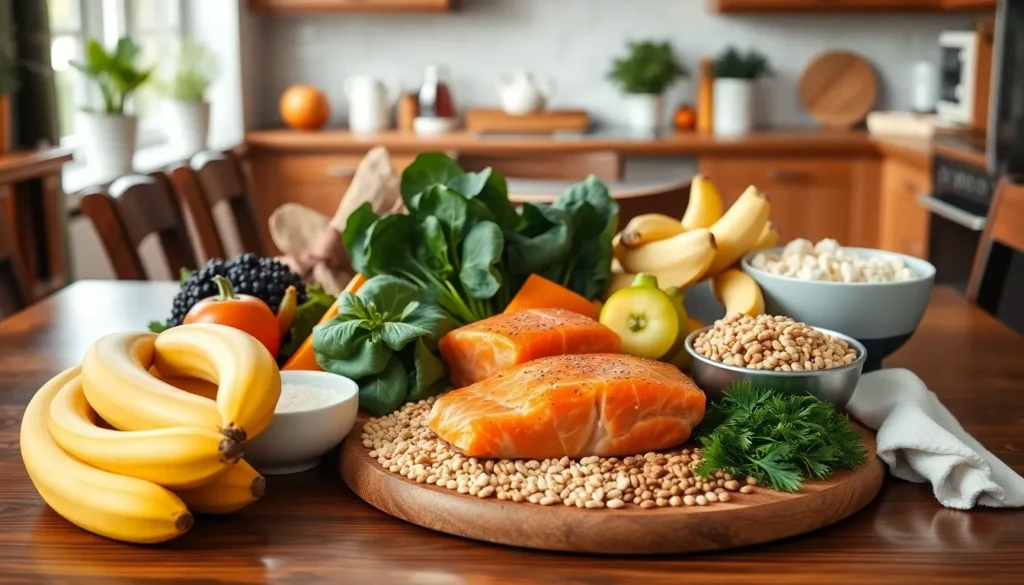
Nutrition plays a crucial role in managing blood pressure, as certain dietary choices can effectively lower hypertension risk and enhance overall cardiovascular health. Understanding key nutrients and identifying foods to avoid is essential for individuals seeking to maintain optimal blood pressure levels.
Key Nutrients for Heart Health
- Potassium: Potassium helps balance sodium levels in the body, reducing blood pressure. Foods rich in potassium include bananas, spinach, and sweet potatoes.
- Magnesium: Magnesium supports blood vessel function and helps maintain normal blood pressure. Sources include nuts, seeds, whole grains, and leafy greens.
- Omega-3 Fatty Acids: Omega-3s reduce inflammation and promote heart health. Fatty fish like salmon, walnuts, and flaxseeds are excellent sources.
- Fiber: High-fiber diets lower blood pressure by improving cholesterol levels and promoting weight management. Whole grains, fruits, and vegetables provide ample fiber.
- Antioxidants: Antioxidants combat oxidative stress, potentially lowering blood pressure. Berries, dark chocolate, and green tea are rich in antioxidants.
Foods to Avoid
- Sodium-Rich Foods: Excess sodium can elevate blood pressure. Processed foods, canned soups, and salty snacks often contain high levels of sodium.
- Sugary Beverages: Sugary drinks contribute to weight gain and increase hypertension risk. Soft drinks and sweetened juices should be limited.
- Saturated and Trans Fats: These fats can raise cholesterol and blood pressure levels. Fried foods, fast food, and baked goods often contain unhealthy fats.
- Alcohol: Excessive alcohol consumption can raise blood pressure. Limiting intake to moderate levels supports heart health.
- High-Calorie Snack Foods: Chips, cookies, and candies are calorie-dense and nutrient-poor, leading to weight gain and increased hypertension risk. Opting for healthier snacks is advisable.
Recommended Meals for High Blood Pressure
Incorporating heart-healthy meals into daily routines can effectively manage high blood pressure. Below are specific meal options to consider.
Breakfast Options
- Oatmeal: Oatmeal provides soluble fiber, which can lower cholesterol levels. Top with fresh berries and a sprinkle of nuts for added nutrients and flavor.
- Greek Yogurt Parfait: Greek yogurt offers protein and probiotics. Layer with sliced bananas, a handful of walnuts, and a drizzle of honey for a balanced start to the day.
- Smoothie: A smoothie made with spinach, banana, and almond milk delivers potassium and antioxidants. Including flaxseeds adds omega-3 fatty acids, which support heart health.
Lunch Ideas
- Quinoa Salad: Quinoa is a complete protein and high in fiber. Mix with cucumbers, cherry tomatoes, bell peppers, and a squeeze of lemon juice for a nutrient-rich, refreshing meal.
- Grilled Chicken Wrap: Use a whole grain wrap filled with grilled chicken, mixed greens, and avocado. Avocado contains healthy monounsaturated fats, beneficial for heart health.
- Lentil Soup: Lentils are packed with fiber and protein. A bowl of lentil soup with carrots, celery, and spices provides a hearty, low-sodium meal option.
Dinner Recipes
- Baked Salmon: Salmon contains omega-3 fatty acids, essential for heart health. Season with herbs and serve alongside steamed broccoli and sweet potatoes for a complete meal.
- Stir-Fried Vegetables and Tofu: Tofu offers a great plant-based protein source. Stir-fry with a variety of colorful vegetables and a low-sodium soy sauce for high fiber and flavor.
- Zucchini Noodles with Tomato Sauce: Substitute traditional pasta with spiralized zucchini. Top with homemade tomato sauce and fresh basil for a light, low-carb dinner option rich in antioxidants.
Tips for Preparing Heart-Healthy Meals
- Choose whole foods: Select whole grains, fresh fruits, vegetables, lean proteins, and healthy fats. Whole foods provide essential nutrients that support cardiovascular health.
- Limit sodium intake: Reduce or eliminate added salt in cooking. Use herbs, spices, and citrus juices to enhance flavor without increasing sodium levels.
- Incorporate potassium-rich foods: Include bananas, sweet potatoes, spinach, and beans. Potassium helps balance sodium effects and supports healthy blood pressure.
- Opt for healthy cooking methods: Use grilling, baking, steaming, or sautéing methods. These techniques retain nutrients and minimize unhealthy fat accumulation.
- Plan balanced meals: Ensure each meal contains a mix of protein, fiber, and healthy fats. Balanced meals maintain steady energy levels and support heart health.
- Control portion sizes: Be mindful of serving sizes to manage calorie intake. Smaller portions of nutrient-dense foods assist in weight management and blood pressure control.
- Prep meals ahead: Prepare meals in advance to avoid unhealthy choices when in a hurry. Meal prepping supports adherence to a heart-healthy diet.
- Stay hydrated: Drink plenty of water throughout the day. Proper hydration supports overall health and can help manage blood pressure levels.
- Experiment with plant-based meals: Incorporate more plant-based proteins like lentils, beans, and tofu. These options provide nutrients without the saturated fats found in red meats.
- Read food labels carefully: Check nutrition labels for hidden sugars or unhealthy fats. Understanding labels helps in making informed food choices.
Adopting heart-healthy meals is a vital step in managing high blood pressure. By focusing on nutrient-rich foods and avoiding those that elevate blood pressure, individuals can significantly improve their cardiovascular health. Incorporating a variety of fruits, vegetables, whole grains, and lean proteins not only supports blood pressure management but also enhances overall well-being.
Practical meal planning and preparation can empower anyone to make healthier choices. With a commitment to nutritious eating and mindful habits, it’s possible to take control of hypertension and lead a healthier life. Embracing these dietary changes can pave the way for long-term health benefits and a vibrant lifestyle.