







In a world where cat videos reign supreme and memes shape culture, the digital phenomenon has transformed how people connect, share, and consume information. From viral trends to social media influencers, this ever-evolving landscape is both fascinating and bewildering. It’s like trying to catch smoke with your bare hands—just when you think you’ve got a grip, it slips away and morphs into something entirely new.
Understanding Digital Phenomenon
Digital phenomenon encompasses the intriguing dynamics of culture shaped by technology. This term reflects how online content—like viral videos and memes—shapes human interactions and information sharing.
Definition of Digital Phenomenon
A digital phenomenon refers to any significant behavior, trend, or event that emerges within digital platforms. This concept includes viral trends, social media movements, and phenomena that capture widespread attention. Engaging examples include the ubiquitous shareability of cat videos, which often dominate social media feeds. The digital phenomenon also emphasizes user-generated content that reshapes traditional media narratives, influencing public perception and cultural discourse.
Historical Context and Evolution
Digital phenomena didn’t arise overnight; they evolved alongside the internet’s expansion. The proliferation of social media beginning in the early 2000s revolutionized content sharing. Platforms like Facebook, Twitter, and Instagram changed how users connect and communicate. Early memes paved the way for today’s complex digital trends, creating a feedback loop between creators and consumers. Each decade witnessed accelerated growth in internet usage, which has enabled phenomena to spread rapidly and become part of mainstream culture.
Types of Digital Phenomena
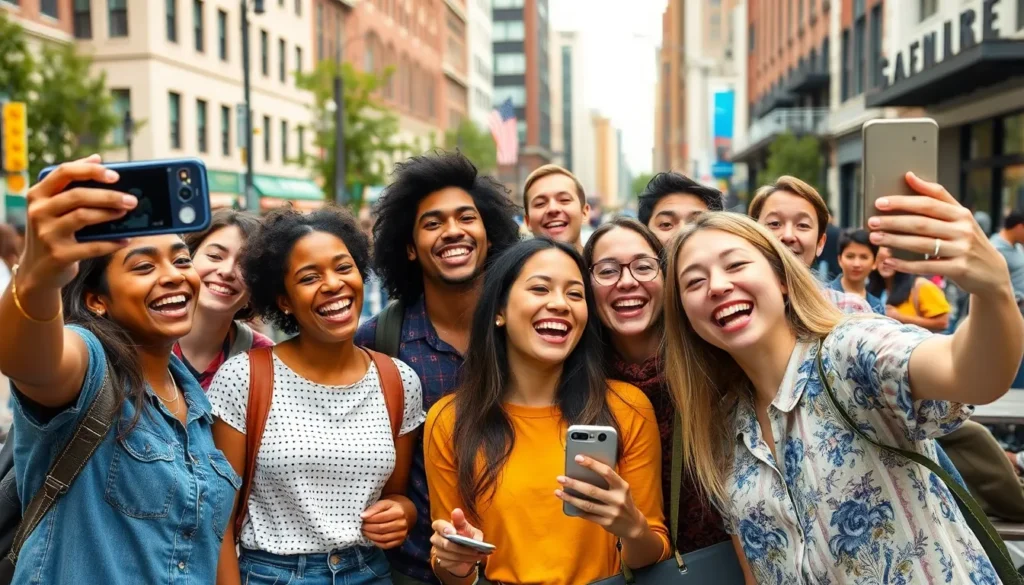
Digital phenomena encompass various significant behaviors, trends, and events that arise on digital platforms. Understanding these can provide insights into contemporary digital culture.
Social Media Trends
Social media trends serve as a major component of digital phenomena. They represent fleeting yet impactful patterns that emerge and gain popularity across platforms like Twitter, Instagram, and TikTok. Users often engage with specific hashtags or challenges, propelling certain content into viral status. In 2021, for instance, the “Silhouette Challenge” captivated millions, highlighting the power of user interaction in shaping trends. Such trends can influence fashion, music, and even social movements, demonstrating how platforms facilitate rapid dissemination of ideas.
Online Virality
Online virality describes the phenomenon whereby content spreads rapidly among users. Viral content often possesses highly shareable qualities, such as humor, relatability, or shock value. A notable instance includes the “Ice Bucket Challenge,” which achieved widespread participation while raising funds for ALS research. Statistics indicate that viral videos can accumulate millions of views in mere hours, altering public discourse almost instantly. Users wield significant influence, as shares and likes amplify content visibility. Overall, understanding online virality provides key insights into audience engagement and the digital landscape’s dynamic nature.
Impact of Digital Phenomenon
Digital phenomena exert significant influence on various aspects of society and communication, shaping norms and behaviors.
On Society
Digital phenomena redefine social interactions and cultural expressions. Users increasingly rely on platforms for engagement, community building, and self-expression. Viral trends can influence consumer behavior, as seen with the booming popularity of products featured in TikTok videos. Social issues also gain traction through user-generated content, fostering awareness and mobilization. Movements like #BlackLivesMatter harness the power of digital platforms to galvanize public support and action. This collective participation not only transforms societal values but also creates shared experiences worldwide.
On Communication
Communication has evolved due to digital phenomena, emphasizing immediacy and accessibility. Online interactions facilitate real-time conversations across geographical boundaries. Social media platforms serve as primary conduits for news and information dissemination. Users exchange thoughts through memes and short videos, simplifying complex topics and engaging wider audiences. The brevity of platforms like Twitter encourages concise messaging, leading to effective communication strategies. This shift enhances public discourse, allowing diverse voices to contribute to ongoing conversations while challenging traditional media narratives.
Challenges and Considerations
Digital phenomena introduce various challenges that users and platforms must navigate. Addressing these challenges is crucial for fostering a healthier digital environment.
Privacy Concerns
Privacy concerns frequently arise in the digital landscape. Users often engage with platforms without fully understanding the implications of their data sharing. Personal information can become vulnerable to breaches and misuse. Furthermore, targeted advertising raises additional ethical questions about informed consent. For example, social media apps collect data to serve tailored ads, creating profiles based on user behavior. Increasing awareness of data privacy has prompted calls for stronger regulations, influencing how platforms manage user information. Compliance with laws like GDPR aims to protect consumer rights, yet many users remain unaware of their data being tracked.
Misinformation and Propaganda
Misinformation persists as a significant issue within digital phenomena. The rapid sharing of content can lead to the spread of false narratives. For instance, misleading posts often circulate widely due to sensational headlines, impacting public opinion. Social movements can suffer from misrepresentation, complicating genuine advocacy efforts. Addressing misinformation requires platforms to implement robust verification processes. Media literacy education also plays a vital role in helping users discern factual information from fake news. Collaborative efforts between platforms and fact-checking organizations strive to combat the proliferation of misleading content, fostering a more informed public.
Future of Digital Phenomenon
The future of digital phenomena promises rapid evolution and exciting possibilities. Continuous innovation reshapes user interactions and content creation across platforms.
Emerging Trends
Short-form videos are dominating digital platforms, signifying a shift in how content is consumed. Platforms like TikTok and Instagram Reels foster quick engagement, captivating users with bite-sized entertainment. Authenticity plays a crucial role in user connection, driving trends towards real experiences over curated perfection. Mental health awareness is also gaining traction, leading to supportive online communities and campaigns. Brands are expected to embrace transparency and social responsibility, aligning with evolving consumer values. These trends point toward a more community-focused digital experience that encourages creativity and fosters connection.
Potential Developments
Artificial intelligence is set to enhance content personalization, tailoring experiences to individual preferences. Users can expect smarter algorithms that curate feeds more intelligently, maximizing engagement. Blockchain technology may improve content ownership and copyright protection, giving creators more control. Enhanced virtual and augmented reality could revolutionize how users interact with digital content, providing immersive experiences that break geographical barriers. Moreover, the blending of physical and digital realms through metaverse concepts indicates profound changes in online interaction. Predictive analytics and data insights will likely drive marketing strategies, optimizing outreach and reinforcing user engagement.
Digital phenomena continue to shape the landscape of human interaction and cultural expression. As trends evolve at lightning speed, they redefine how individuals connect and communicate. The power of user-generated content not only influences mainstream media but also drives social movements and consumer behavior.
With the rise of platforms prioritizing authenticity and engagement, the future promises even more dynamic shifts. Emerging technologies like AI and blockchain will further transform user experiences and content ownership. As society navigates these changes, understanding the implications of digital phenomena becomes crucial for fostering informed and responsible engagement in the digital age.